
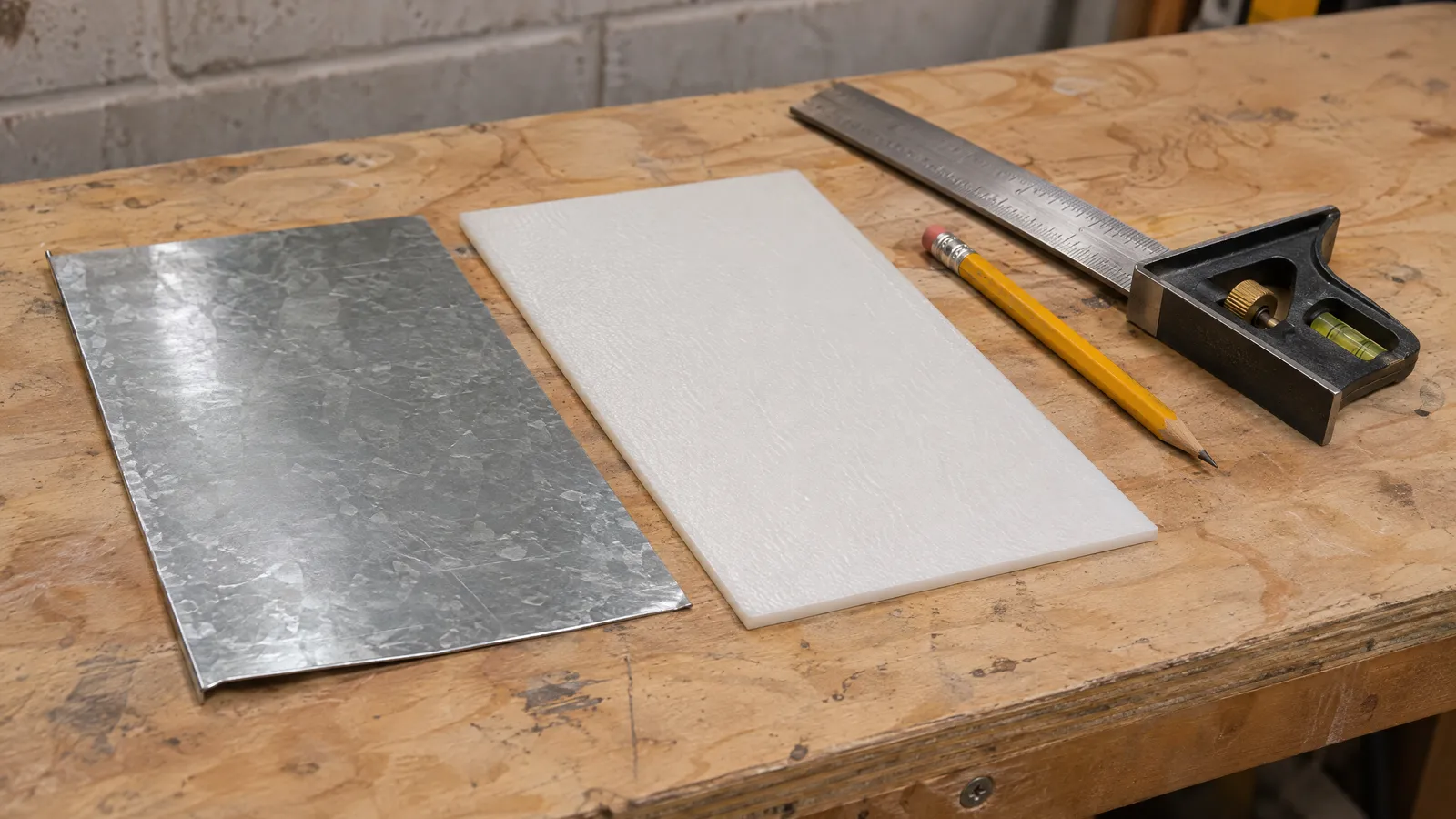
Choose the material your project actually requires. A plastic access panel suits routine access in a wall or ceiling where nothing more is specified. A metal access panel is the usual route when a specification, an inspector or a fire-rated assembly calls for something a plastic panel cannot document. Our catalog is plastic panels and doors; we don't sell metal ones.
What is the difference between plastic and metal access panels?
Both do the same job: they close an opening in a wall or ceiling so you can reach plumbing, valves, wiring or equipment behind it later. The differences are in the material, the construction options a manufacturer offers, and the documentation that comes with the product.
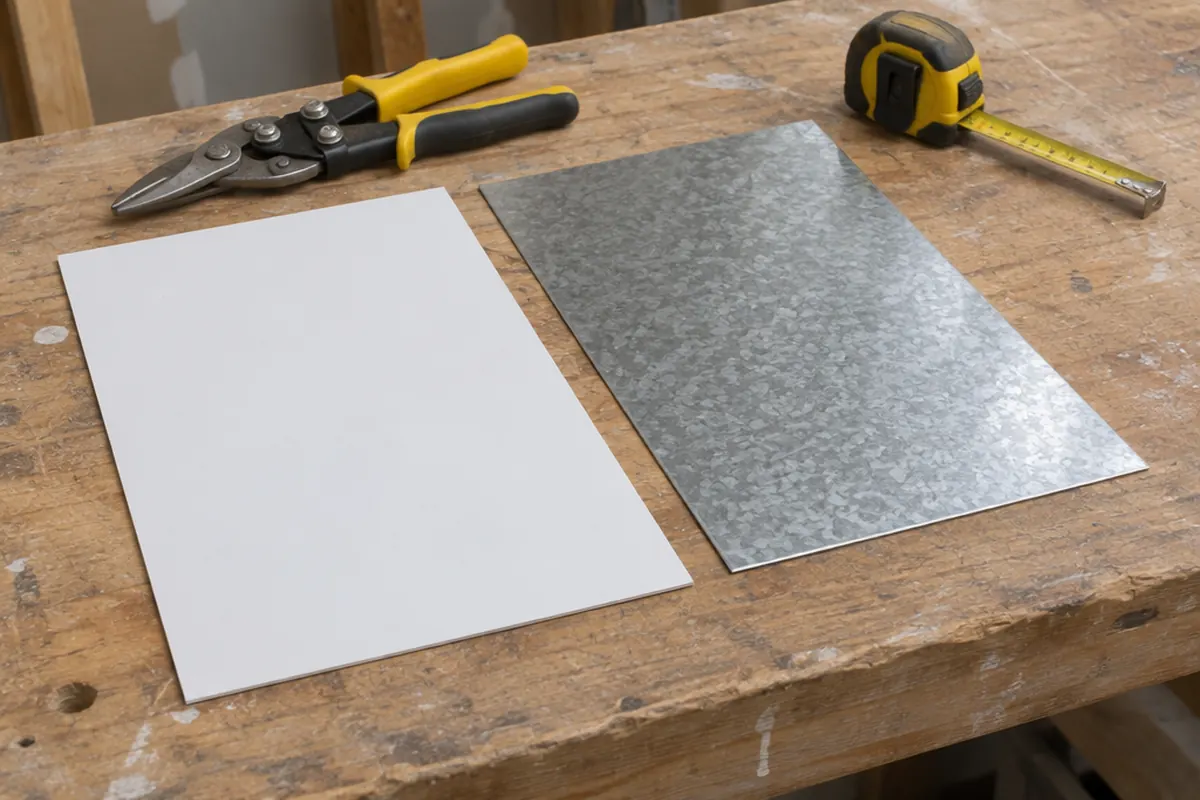
Our plastic range comes in two constructions. The Easy-Exs spring-loaded panels are removable covers held in the opening by a spring on the back, and the Easy-Exs hinged access doors have a frame, a door that stays attached and a latch. All of them are white: a white textured finish on the spring-loaded panels and white gloss on the hinged doors.
Metal access doors are made by many manufacturers in many configurations, and what one offers says nothing about another. If you are comparing a metal product, read its own specifications for the material, the mounting method, the finish and any rating, rather than assuming a feature from the category.
When does a plastic access panel make sense?
A plastic panel is worth considering when:
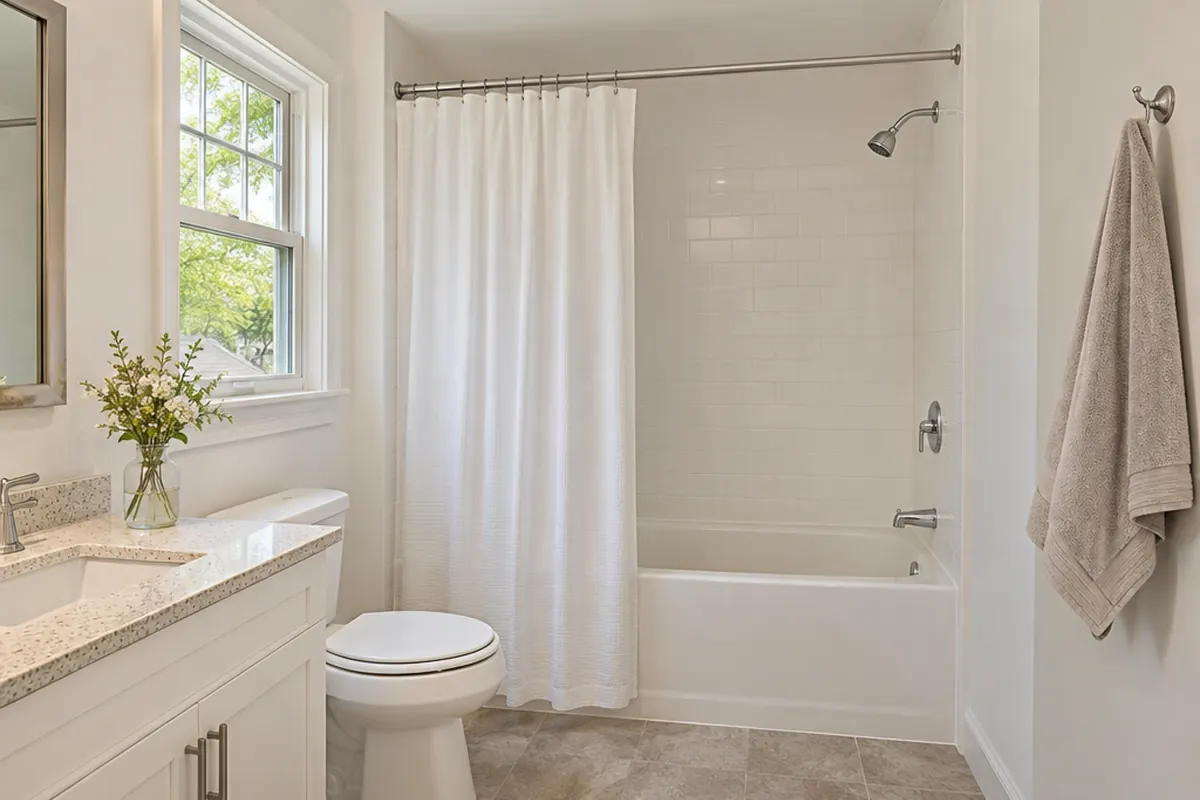
- you need occasional access to a valve, a connection or a junction point behind a finished wall or ceiling
- the opening fits one of the listed sizes in the range
- nothing in the project's drawings, specification or local requirements calls for a particular type of door
- a white cover suits the room
For a pot filler's shut-off valve in a kitchen, see pot filler installation.
Check the opening against the product's listing before you buy. The SAP1414, for example, is listed for openings from 10 × 10 to 14 × 14 in and has a 16 × 16 in cover, while the PAD1212 hinged door is 12 × 12 in overall with a 10.35 × 10.35 in (estimated) maximum service opening. Our guide to measuring for an access panel explains which number to compare.
When should you look at a metal access panel?
Look beyond plastic when the project sets a requirement that a plastic panel's documentation does not meet. Common reasons include:
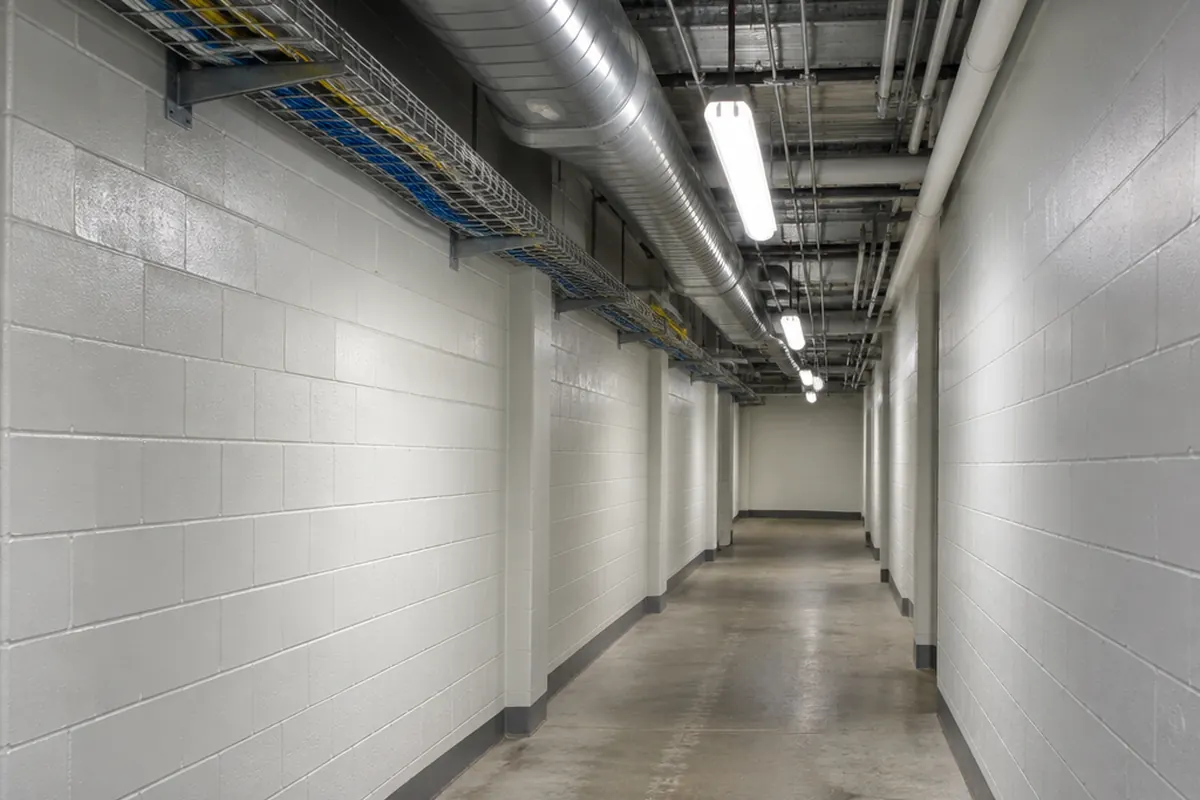
- A fire-rated wall or ceiling. Where the assembly is fire-rated, the access door has to carry the required rating and listing for that use. Our plastic panels do not claim one.
- A written specification. Commercial drawings often name a door type, material, gauge, finish or lock. The specification decides, not the material in general.
- Security. If the opening needs a keyed lock, check that the product you choose offers one.
- A finish to match. If the cover must be painted to match the wall or blend into a particular surface, check what the product's documentation allows.
None of these makes metal automatically better. They are reasons to read a specific product's documentation against a specific requirement.
A plastic access panel, or any panel without a documented rating, should not be used in a wall or ceiling that must keep its fire rating. Nothing in our plastic panels' product information establishes a fire rating, certification or approval for an assembly. Check the project's requirements with the designer or your local building department.
How do the two compare at a glance?
| Question | Our plastic range | Metal access panels |
|---|---|---|
| Do we sell it? | Yes: 9 Easy-Exs panels and doors | No |
| Constructions | Removable spring-loaded or Click-Fit panels; hinged doors with a latch | Varies by manufacturer; check each product |
| Fire rating | None claimed | Only where the product's own documentation states one |
| Finish | White textured (spring-loaded panels) or white gloss (hinged doors) | Varies by product |
| Sizes | Square openings up to 8 × 8 in (SAP0808) or from 10 × 10 to 14 × 14 in (SAP1414); round openings of 4 in, 5.5 in or 6 to 9 in; door service openings from 4.35 × 4.35 to 10.35 × 14.35 in (estimated) | Varies by product |
What do US and Canadian codes say about fire-rated walls?
An opening in a fire-rated wall or ceiling has to be closed by a product rated for that use.
- United States. Which rated closure an opening needs depends on the building code your state or city has adopted. Ask your building department before you cut into a fire-rated wall or ceiling.
- Canada. Your provincial code decides what closes an opening in a fire separation, so check with your local building department before you cut.
No fire rating is claimed for our plastic panels, so they are not a closure for any of these walls or ceilings.
Are plastic and metal sizes measured the same way?
Not necessarily, and it is the most common source of ordering mistakes. A size on any access panel can describe the opening it fits, the overall frame, a nominal model size or the service opening through a door. Our opening vs cover size guide shows how those differ across the Easy-Exs range.
When you compare a plastic and a metal product, put the same measurement side by side: the opening you have, the opening each product fits or gives, and the overall size on the wall. The access panel size chart lists our products by opening.
What should you check on any access panel?
Whatever the material, run through the same list before you buy:
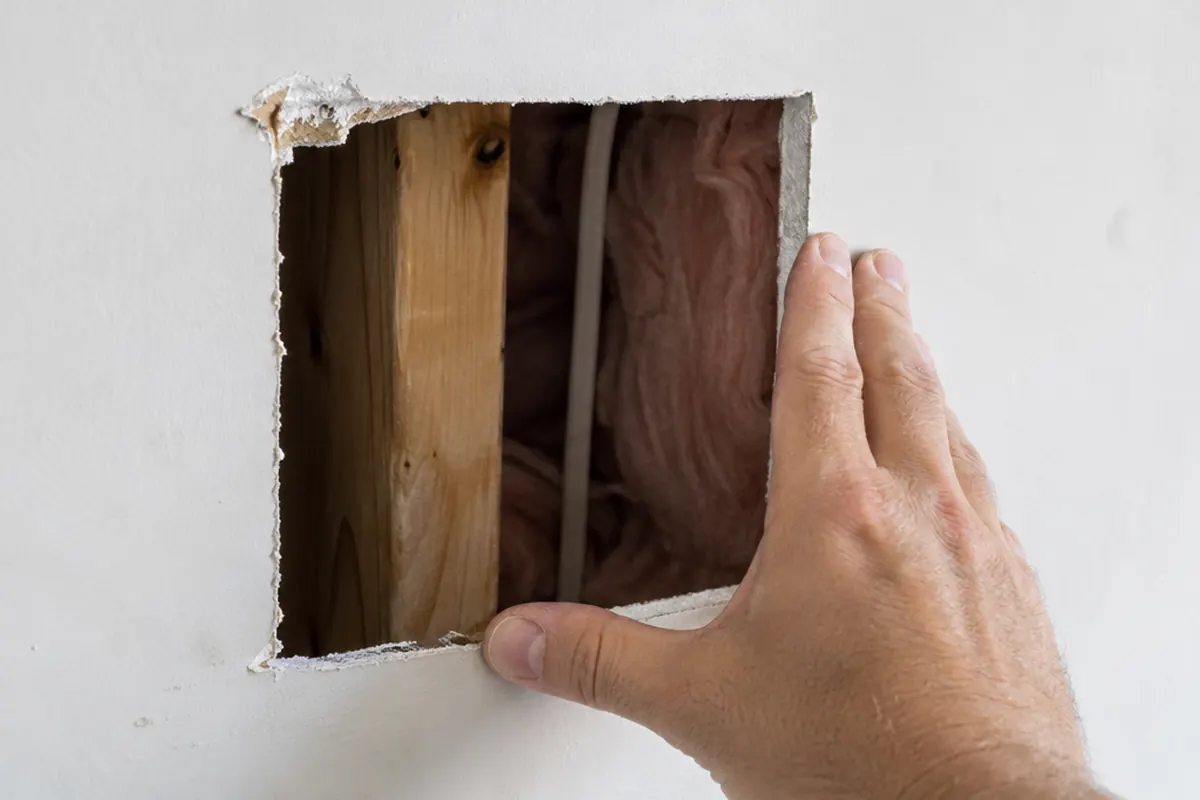
- the opening it fits, or the service opening it gives, against the opening you measured
- the overall size it takes up on the wall or ceiling
- how it opens, and whether there is room in front for a door to swing
- the clearance its mechanism needs behind the surface
- any documentation your project requires, such as a rating, a listing or a submittal sheet
If a product's listing does not answer one of these, ask before you order rather than assuming.
Do we sell metal access panels?
No. Every access panel and door we sell is plastic, in the standard sizes listed on this site. For a metal or fire-rated door, look to a specialist access-door supplier or a building-supply distributor, and check its listing against what your project requires.
If a plastic panel fits the job, measure the opening as described in our measuring guide, then compare the plastic access panels and the hinged access doors.